

























 0
0
Summer is one of the most critical times on a sow farm. High temperatures directly affect animal welfare, feed intake, and, consequently, production. That is why planning ahead is key.
On our farm, preparations don’t begin when the heat arrives, but weeks beforehand. Below, we outline the key points we review every year to prevent breakdowns and ensure everything runs smoothly.

1. Cleaning and checking tanks
One of the first steps is to thoroughly clean the water tanks. With time, it is common to find:
- Sediment accumulation
- Biofilm
- Organic residues
- Foam or dirt on the surface
This affects not only water quality but also the proper functioning of pumps and float valves. What we do:
- Completely drain the tank
- Manually clean the walls and bottom
- Inspect floats and valves
- Check the performance of the submersible pumps
A float valve in poor condition can cause overflow or a loss of supply at the worst possible moment.
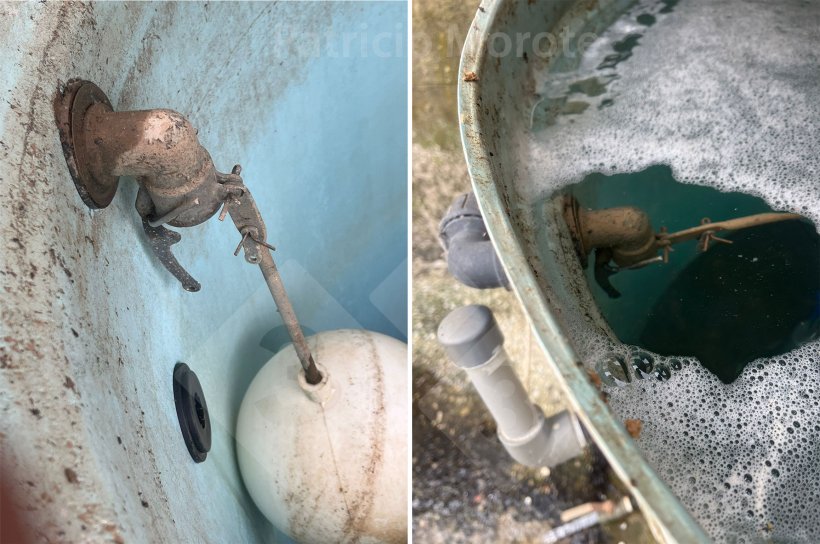
Photo 1. On the left, a damaged float valve. On the right, an overflowing tank due to a float valve failure.
2. Status of the cooling panels
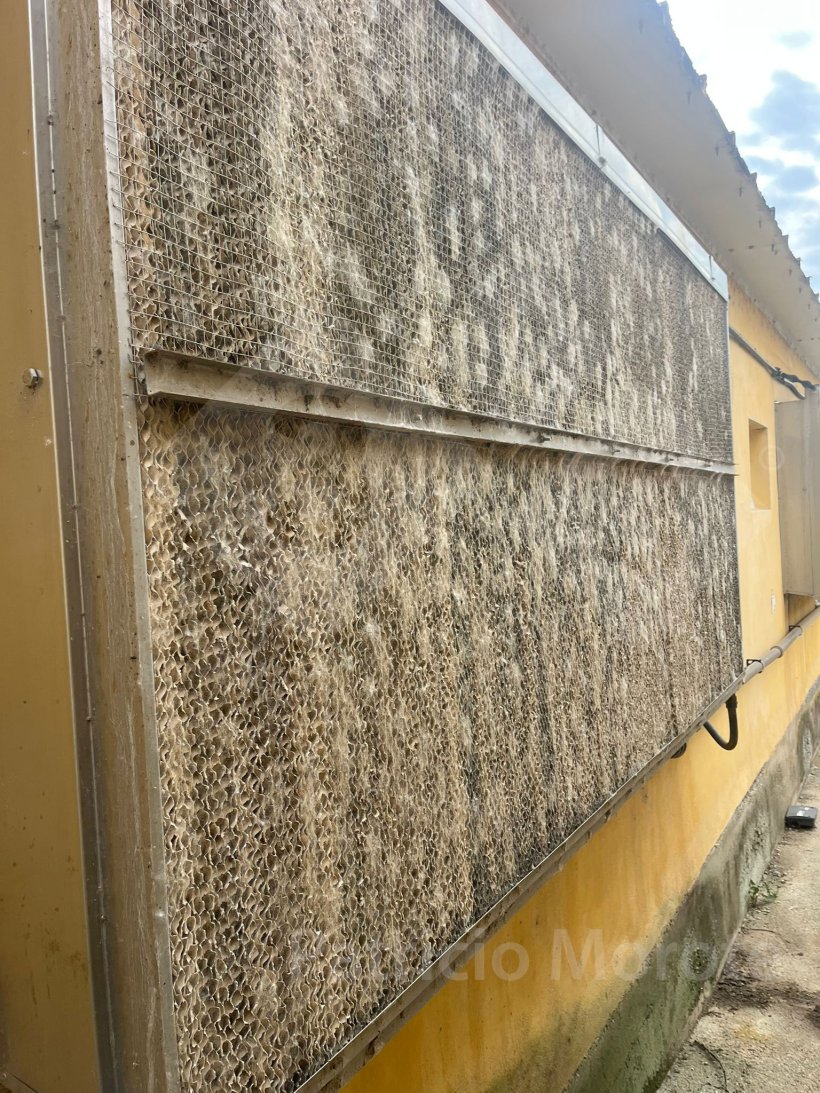
Evaporative cooling panels are essential in the summer, but they are also one of the most overlooked components and require proper maintenance to ensure optimal performance and prevent a drastic drop in efficiency. What we check:
- Panel condition (if damaged, replace)
- If heavily clogged, thoroughly clean or replace
- Check water distribution
- Inspect pipes and nozzles
A dirty cooling panel may keep the system running… but it won’t cool. Photo 2. Obstructed cooling panel.
3. Other inspections and repairs before hot weather arrives
Summer isn't the time to wing it. Anything that's “just okay” in the winter fails in the summer. During our inspections, we found:
- Rust on mechanical components
- Worn-out parts
- Damaged opening mechanisms
Our philosophy: If in doubt, change it.
It’s better to invest in preventive maintenance than to shut down a barn in the middle of a heat wave.
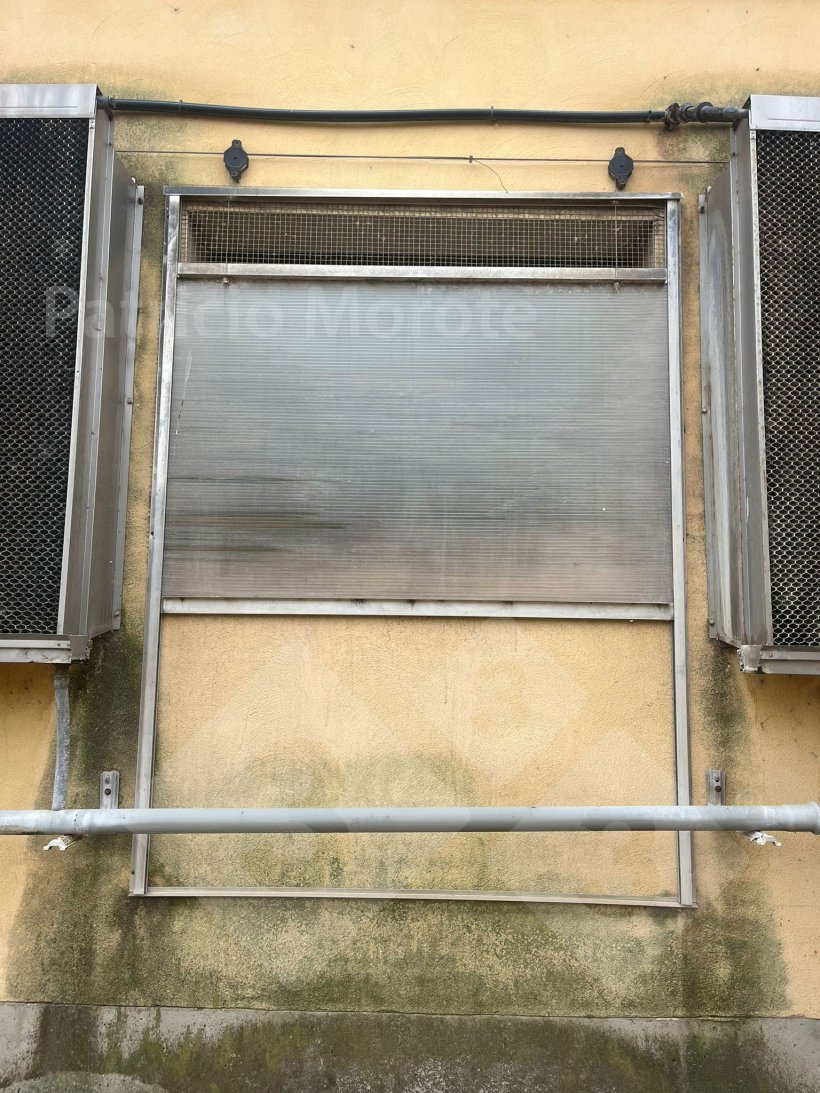
Photo 3. Check the condition of windows and cables.
4. Have critical replacement parts on hand
One of the most common mistakes is relying on external suppliers during the height of the summer season. We recommend always keeping the following items in stock:
- Float valves
- Ventilation motors
- Ropes and cables
- Contactors and protection devices
- Pumps or key spare parts
A malfunction can take hours to fix… or days if you don't have the replacement part.
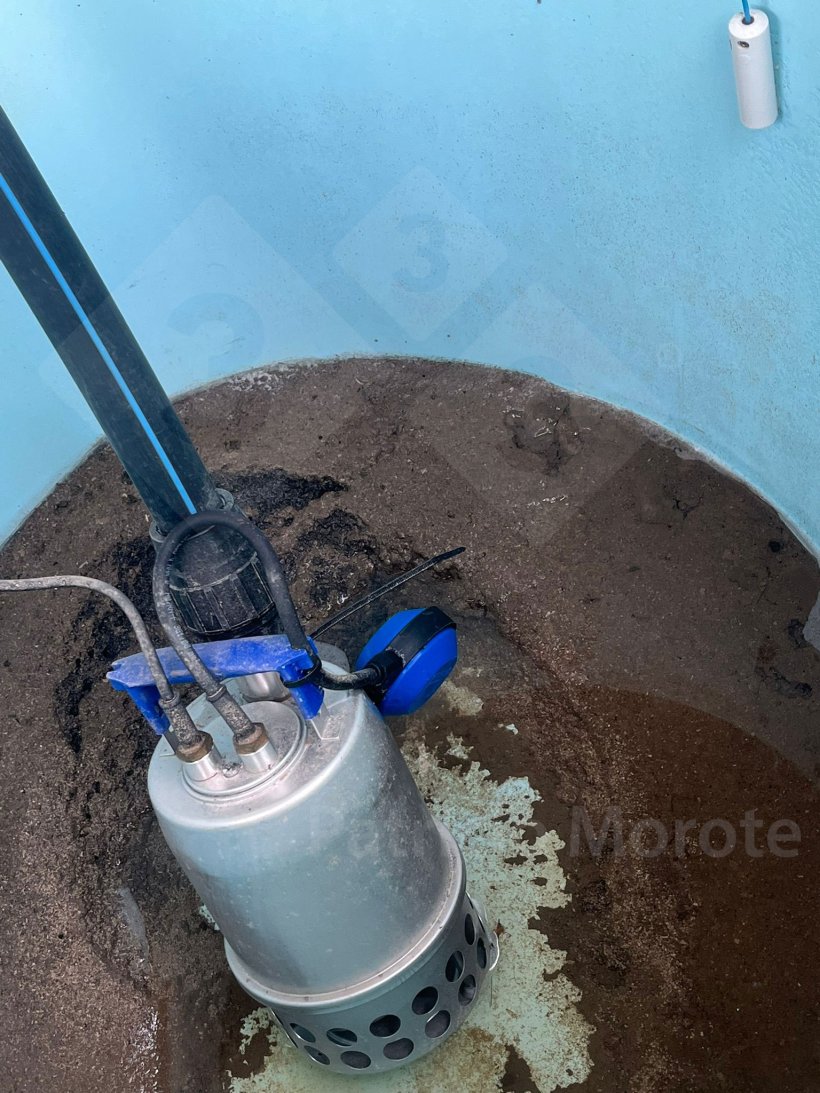
Photo 4. Dirty water tank and pump.
5. Inspection of windows, cables, and motors
Both natural and mechanical ventilation systems must be operating at full capacity. What we check:
- Condition of the cables
- Tension and alignment
- Motor function
- Limit switches
- Pulleys and winches
- Proper function of maximum ventilation
A broken cable in the summer can leave a building without ventilation in a matter of minutes.
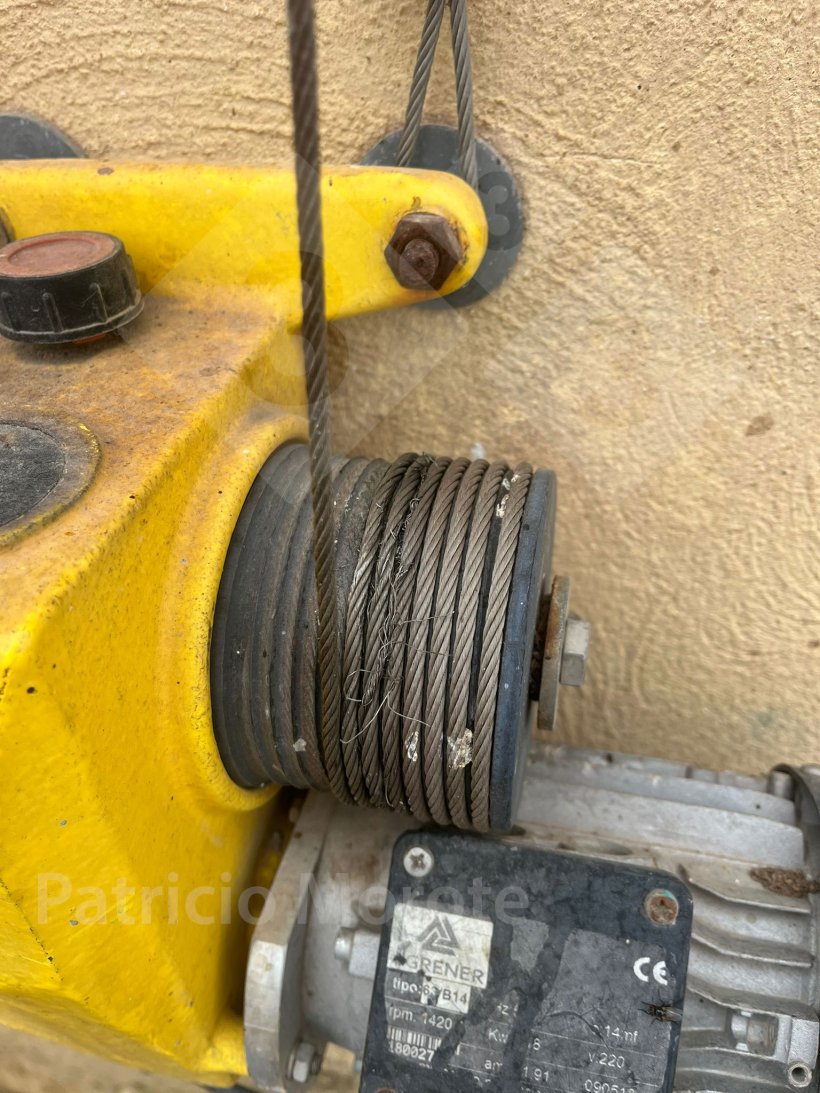
Photo 5. Damaged cable on a window motor.
6. Generators: A critical review for summer
It is essential to have fully operational generators during the summer. In the event of a power outage, ventilation, water, and critical systems depend on them. What we do:
- Mandatory weekly start-up and test
- Verification of load and actual function
- Check levels (oil, fuel, coolant)
- Check batteries
- Scheduled preventive maintenance
In the summer, the generator isn't just a backup—it's a lifeline for the farm.
7. Checking alarms and testing the emergency system
What we do:
- Alarm testing, via phone call or mobile app.
- Inspection and status check of emergency equipment batteries.
- Live test of emergency system activation. This procedure is critical.
You can sound the alarms, but if the emergency system doesn't activate, time is running out.
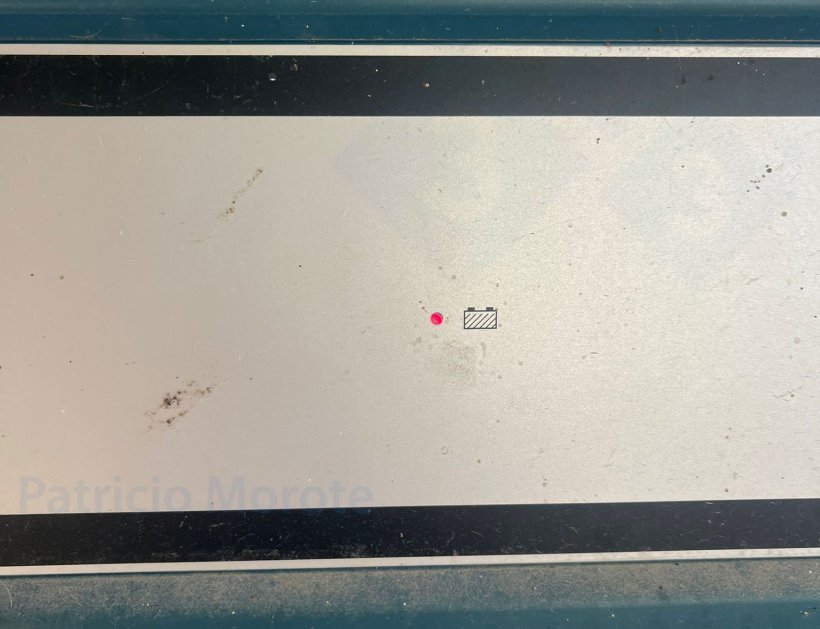
Photo 6. Emergency battery equipment failure.
Conclusion
Preparing a farm for summer isn't just about cleaning or checking things over—it's about planning ahead. Key points:
- Clean water and reliable systems
- Efficient cooling
- Inspected equipment free of defects
- Safety stock
- Ventilation systems in perfect condition
Because in summer, failures don't give warning... and the consequences are immediate.